


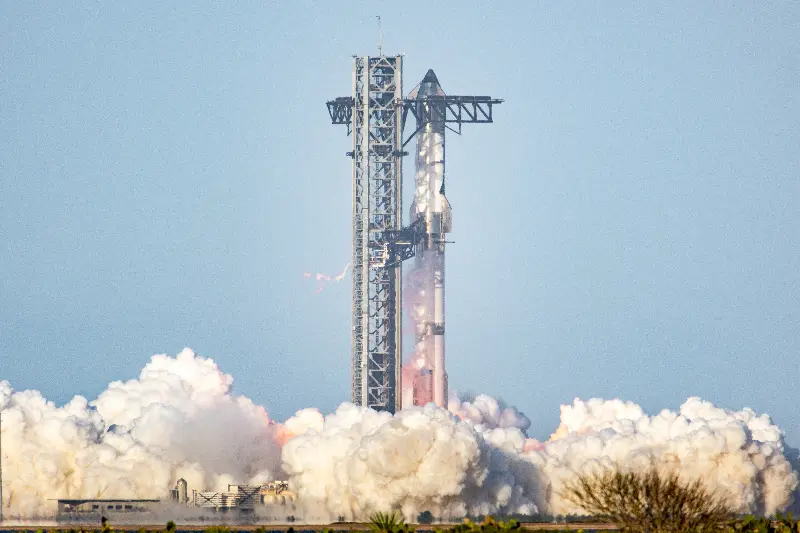
A hush fell over the SpaceX Starbase in Texas as the countdown to Starship Flight 11 ticked toward zero. Just after 11:23 pm UTC on October 13, 2025, the mammoth Super Heavy booster ignited, sending a roar across the Texas coast and lighting up the night sky. For the crowd gathered at the launch site—as well as thousands watching live streams globally—it was another moment that blurred the lines between science fiction and reality. Livestream chats exploded with cheers and awe, capturing the collective thrill of a public that, for over a decade, has watched SpaceX transform from an upstart to a spaceflight mainstay.
This latest mission, a suborbital test flight, is not just another incremental step—it’s part of SpaceX’s relentless drive to perfect a fully reusable, super-heavy-lift vehicle capable of carrying humans and cargo to the Moon, Mars, and beyond. The anticipation isn’t just for today’s launch; it’s for what it means for humanity’s future in space.
Key Facts and Developments
- Starship flight 11 is the 11th integrated test of SpaceX’s next-generation launch system, featuring both the Starship upper stage and the Super Heavy booster. The booster—identified as Booster 15—was making its second flight, 220 days since its last use, reflecting SpaceX’s ongoing push toward reusability and rapid turnaround.
- The mission is suborbital, designed to test new hardware and software in real-world conditions. Unlike previous flights that aimed for orbit, today’s launch is focused on refining the system’s control, stability, and recovery procedures.
- Landing took place in the Gulf of Mexico, a shift from the tower-catch attempts of earlier flights. This ocean splashdown—visible to cameras and spectators—drew gasps and applause, even as SpaceX engineers analyzed telemetry for signs of success or needed improvements.
- Multiple live streams from outlets like NASASpaceflight and Everyday Astronaut, as well as SpaceX’s own feed, allowed fans to share the moment in real time, with commentators and onlookers excitedly parsing every maneuver.
- Emotion ran high on the ground. Engineers and technicians, many of whom have dedicated years to the Starship program, exchanged smiles, fist bumps, and relieved laughter as the vehicle lifted off and completed its flight profile. “It’s a huge relief and a validation of the team’s hard work,” one anonymous staffer could be overheard saying on a livestream, reflecting the mix of tension and triumph that defines SpaceX’s test-and-iterate culture.
While Starship’s development path has seen spectacular flights and fiery setbacks, each test adds valuable data—and hope—for the future of interplanetary travel. Elon Musk, SpaceX’s chief engineer, has repeatedly framed Starship as the key to making humanity “multi-planetary,” a vision that resonates deeply with employees and fans alike.
Conclusion or Takeaway
Tonight’s launch underscores SpaceX’s unique position at the frontier of space technology. Where most companies and agencies would pause after a mishap, SpaceX’s rapid-fire test cadence—bolstered by the FAA’s decision to allow back-to-back flights if hardware and mission profiles remain unchanged—demonstrates an unmatched appetite for risk and innovation.
But this isn’t just about SpaceX. The energy at Starbase, the global audience glued to screens, and the palpable excitement among engineers remind us that spaceflight remains one of humanity’s most inspiring collective endeavors. Each test brings us closer to a future where moon bases, Mars colonies, and interplanetary economies aren’t just possible—they’re imminent.
As Starship continues to evolve, both its triumphs and its failures serve as a high-stakes classroom for the next generation of space explorers. For now, the world watches, waits, and wonders what comes next.