


a closer look at why minimalist living saves money for australians
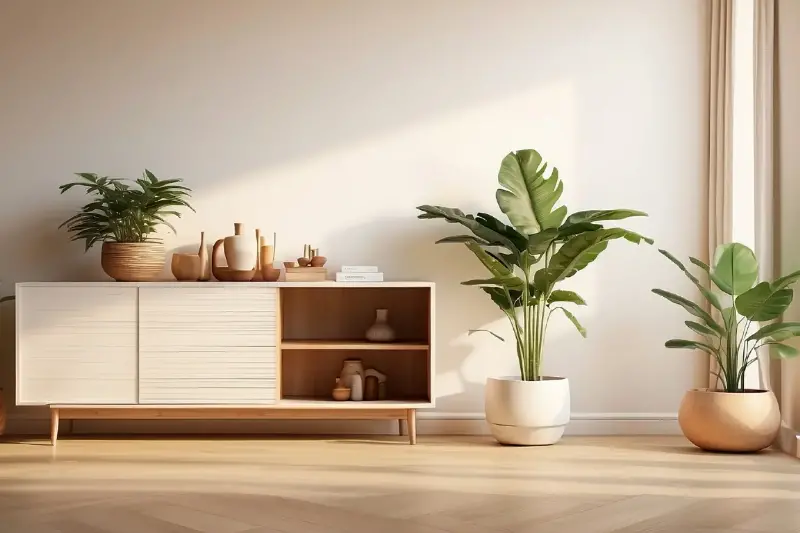
australia’s landscape, from bustling cities like sydney and melbourne to the quiet stretches of rural outback, often tempts residents to fill their lives with possessions. yet over the last decade, a quiet revolution has taken root: minimalist living. once associated with stark, nearly empty rooms and a certain artistic austerity, minimalism has become a practical, accessible lifestyle that hundreds of thousands of australians are embracing—for one core reason: it saves money. let’s unpack the ways in which simplifying your space and possessions can transform your finances, and, ultimately, your lifestyle.
cutting down on impulse purchases
one of the most immediate ways that minimalist living saves money is by curbing impulse buying. in a culture shaped by online shopping, flash sales, and targeted ads, it’s all too easy for australians to fill their carts with clothes, gadgets, and decor that quickly lose their charm. minimalists, however, practice intentional purchasing. before buying anything, they ask themselves: do i need this? will it add value or clutter to my life? this shift in mindset makes it far less likely that you’ll drop $100 on a trendy appliance or another pair of shoes you’ll barely wear. over months, these small amounts can add up to thousands of dollars saved each year.
less space, lower bills
australia’s property market is famously expensive, especially in major cities where the dream of a suburban home can feel out of reach. minimalist living often means choosing to live in a smaller space—apartment, townhouse, or compact house—rather than pursuing more rooms just to fill with stuff. by downsizing, australians can save substantial amounts on rent or mortgages. for example, the average monthly rent for a two-bedroom apartment in inner sydney is close to $3,000, while a one-bedroom is typically under $2,300. that’s $8,400 saved annually, just by shaving off one unused room.
and it doesn’t stop with rent. energy bills are a significant expense in australian households, with data from the australian bureau of statistics showing average annual energy costs at nearly $1,800 per household. smaller homes naturally require less heating, cooling, and lighting, translating to direct savings on energy bills year-round. fewer rooms also mean giving up on costly home items, like extra couches, televisions, or appliances—all of which need to be bought, maintained, and eventually replaced.
minimalism and the decluttering dividend
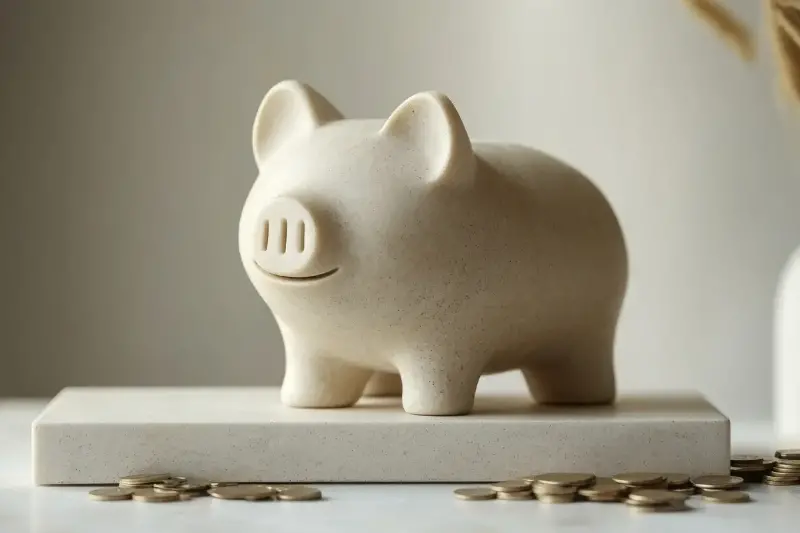
many australians are literally sitting on a pile of money in unused, unwanted possessions. minimalism encourages a thorough decluttering process, where old clothes, electronics, furniture, and kitchenware are sorted and either sold or donated. online platforms like gumtree, facebook marketplace, and ebay make it easy for anyone to turn surplus belongings into cash, with some australians making upwards of $2,000 from just one decluttering spree. and when you realize how much money is tied up in unused objects, you think twice before accumulating more.
reducing the cost of maintenance and repairs
the more you own, the more time and money you spend maintaining your stuff. whether it’s servicing a second car, cleaning bulky furniture, or dealing with malfunctioning kitchen appliances, every object creates a ripple of recurring expenses. minimalists discover that by paring back to only what’s essential and high quality, maintenance costs drop substantially. for instance, owning fewer clothes means less spent on dry cleaning or laundry detergent, and sticking to just a few reliable appliances (rather than an army of single-use gadgets) means fewer breakdowns and repair bills.
freedom from trends and consumer pressure
australia’s fast-turnover consumer culture is powered by new trends—especially in fashion and home decor. giving in to these trends (think new pillows, the latest phone, or seasonal wardrobes) is a sure way to drain your wallet. minimalists, on the other hand, are more likely to invest in timeless, durable pieces that don’t go out of style. building a capsule wardrobe with quality, multipurpose clothes might be pricier up front, but it pays off in the form of years of use and far fewer shopping trips. similarly, keeping your home simple lets you sidestep the constant pressure to redecorate.

minimizing debt and unnecessary insurance
with fewer possessions and a more thoughtful approach to purchasing, minimalists often find themselves with less personal debt. when you’re not tempted to max out your credit card for a new gadget or go into debt for the latest car, your monthly payments and interest charges plummet. additionally, owning less means spending less on insurance: smaller homes and fewer valuables translate to lower contents insurance premiums, which can represent hundreds of dollars saved each year.
minimalism and experiences over things
many australians are discovering that the joy of minimalist living isn’t just financial—it’s emotional and social as well. when you stop spending on things you don’t need, you free up not just money, but also time and headspace. minimalists often choose to invest in experiences: travel within the country, live shows, or quality time with friends at the beach. these kinds of investments don’t only provide lasting memories but are often less costly and more fulfilling than buying more stuff.
adopting a minimalist mindset
making the shift towards minimalism doesn’t mean giving up everything you love—it’s about cutting back on what doesn’t serve you. australians who start small, like decluttering their bedroom or limiting their online shopping, often find the savings addictive. the habit grows, and before long, a deliberate and minimalist approach to life becomes second nature.
in a world that thrives on more, more, and more, minimalism offers australian men and women a winning equation: less clutter, less spending, more peace of mind. the financial rewards are real—but the true payoff is in the freedom to live a life you really want, surrounded only by what you truly value.