


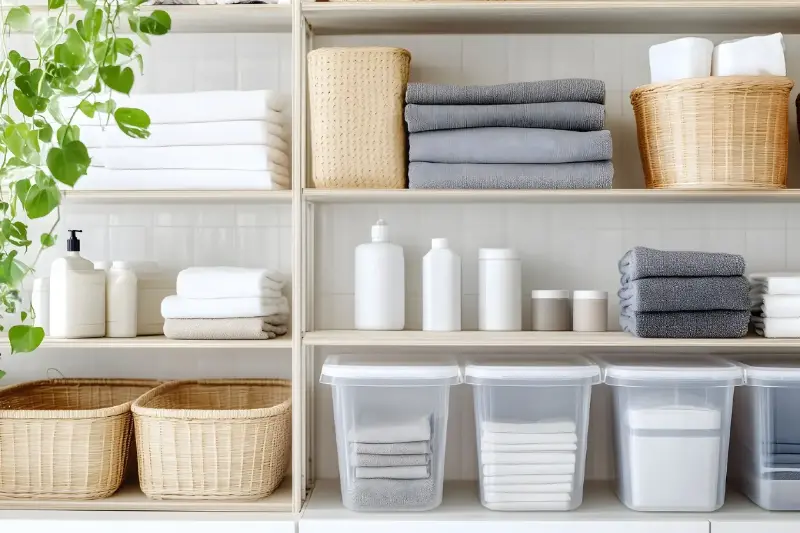
in today’s fast-paced world, where it often feels like daily life is a race against time and to-do lists, the concept of minimalist living is getting more attention than ever. behind its sleek style and simple charm is something much deeper: a direct link to lower stress levels and a calmer mind. if you’ve ever wondered why so many people are embracing this lifestyle, it’s not just about clean countertops and neutral color palettes. it’s about carving out mental space and reclaiming your peace.
understanding the basics of minimalism
minimalism, at its core, is about stripping away the non-essential to focus on what truly matters. this doesn’t mean you have to live in an empty room with only a mattress and a single chair. rather, it’s about evaluating your belongings, commitments, and even thoughts to make room for what brings value and joy to your life. by intentionally choosing what stays and what goes, you can create a home—and a mindset—that nurtures rather than drains you.
the science behind less and stress
clutter isn’t just an eyesore; it’s actually a significant source of stress. numerous studies have shown that physical clutter in the home is directly associated with increased levels of cortisol, the stress hormone. when your environment is filled with visual distractions, your brain works overtime to process everything, leading to mental fatigue and agitation. in contrast, a tidy, organized space supports focus, relaxation, and a sense of control—core elements for a stress-free life.
one fascinating study in the personality and social psychology bulletin found that women who described their homes as cluttered or unfinished had higher levels of the stress hormone cortisol throughout the day. conversely, those who viewed their homes as restorative or restful experienced lower overall stress levels. this research suggests that the spaces we inhabit have a direct and powerful influence on our mental well-being.
switching focus to experiences
minimalist living encourages us to rethink not just our possessions, but how we spend our time. shifting the focus from material goods to experiences can significantly reduce stress. instead of feeling weighed down by the latest gadgets or must-have styles, minimalists often invest their energy in relationships, hobbies, and meaningful activities. studies have shown that spending money on experiences rather than things leads to longer-lasting happiness and can foster closer connections with others—both proven stress-busters.
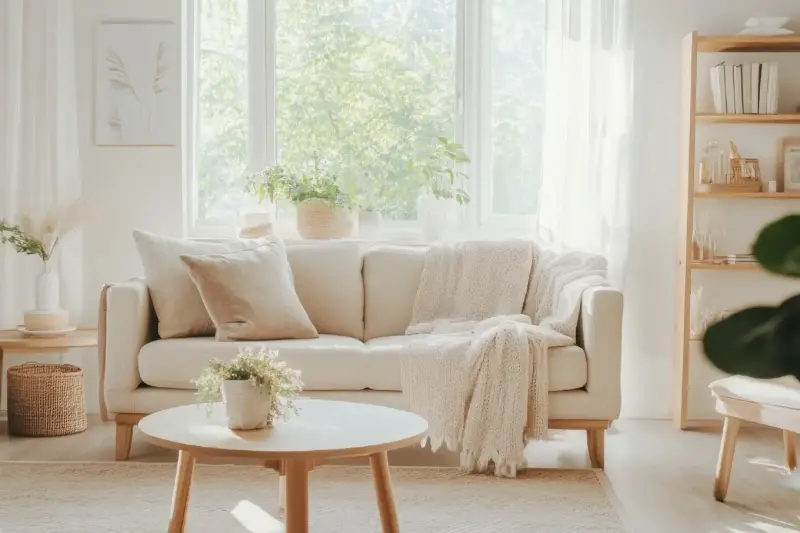
decision fatigue and the gift of simplicity
in our everyday lives, we’re bombarded with choices, from what clothes to wear to which coffee to order. psychologists call this “decision fatigue,” a phenomenon where the sheer volume of decisions we make can leave us feeling exhausted and overwhelmed. minimalism offers an antidote. by cutting down on the number of possessions and streamlining routines, minimalists naturally reduce the number of decisions they need to make. for example, having a capsule wardrobe—with fewer, thoughtfully chosen pieces—can make getting dressed in the morning faster and less taxing, freeing up mental energy for more important matters.
the mindful approach: quality over quantity
a minimalist lifestyle does not mean doing without—it means doing with intention. when you surround yourself with fewer items of higher quality or deeper meaning, you begin to nurture a sense of gratitude and satisfaction. this mindset shift can increase mindfulness, which is known to reduce anxiety and help anchor you in the present moment. simple daily rituals, like making your bed or enjoying your morning coffee in an uncluttered space, become small acts of self-care rather than just part of the rush.
digital declutter: taming the virtual chaos
minimalism isn’t limited to the physical world. our digital lives are often just as cluttered, overflowing with notifications, emails, and apps that demand attention. digital clutter can be just as stressful as piles of paperwork or jam-packed closets. by unsubscribing from unnecessary emails, organizing digital files, and setting boundaries for screen time, you’re able to dial down the noise and create more time for offline relaxation or creative pursuits.
social and emotional benefits
minimalist living can bring more than just personal peace—it can improve your relationships. when your home is organized and calm, it becomes a sanctuary not just for you but for your loved ones as well. a pared-down space is also easier to maintain, which can reduce tensions over chores and keep shared spaces harmonious. the process of letting go of objects that no longer serve you can also help you process emotional baggage and let go of old stories, paving the way for growth and connection.
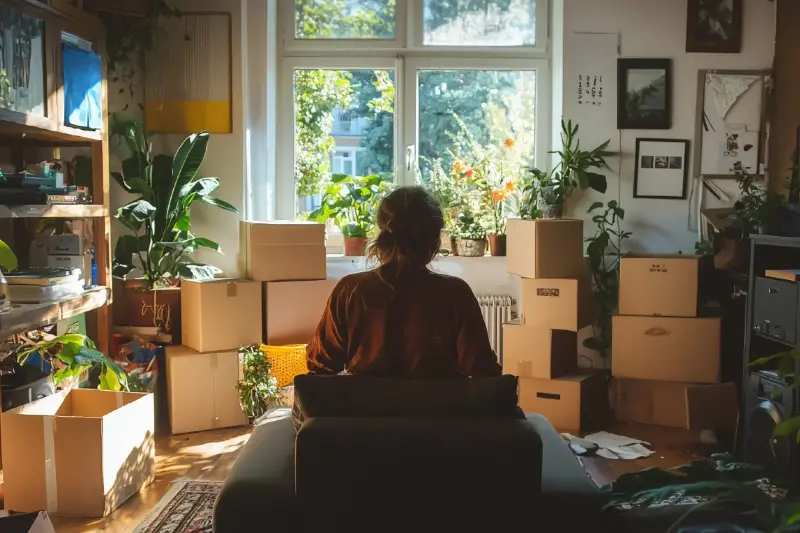
minimalism’s positive ripple effect
once you experience the mental clarity and ease that minimalist living can provide, this new calm often trickles into other aspects of life. it might be easier to say no to obligations that don’t align with your values or to recognize when you need to carve out time for yourself. minimalist habits can inspire you to approach work, relationships, and even your health with greater intention, leading to a more balanced existence overall.
getting started with minimalist living
you don’t have to overhaul your entire life overnight. minimalist living is a journey, not a destination, and every small step counts. begin by choosing a single area—your nightstand, your inbox, or even your schedule—and see how clearing out the non-essentials makes you feel. celebrate those little victories: the extra five minutes you gain in the morning, the new sense of calm you feel when you walk into a tidy space, or the deeper conversations you can have without distractions.
embracing less is choosing to value your well-being over busyness and your peace of mind over possessions. in a world where constant stimulation is the norm, minimalist living stands out not just as a design aesthetic but as a radical, stress-reducing act of self-care. let your space—and your life—serve as a reminder that sometimes, less truly is more.