


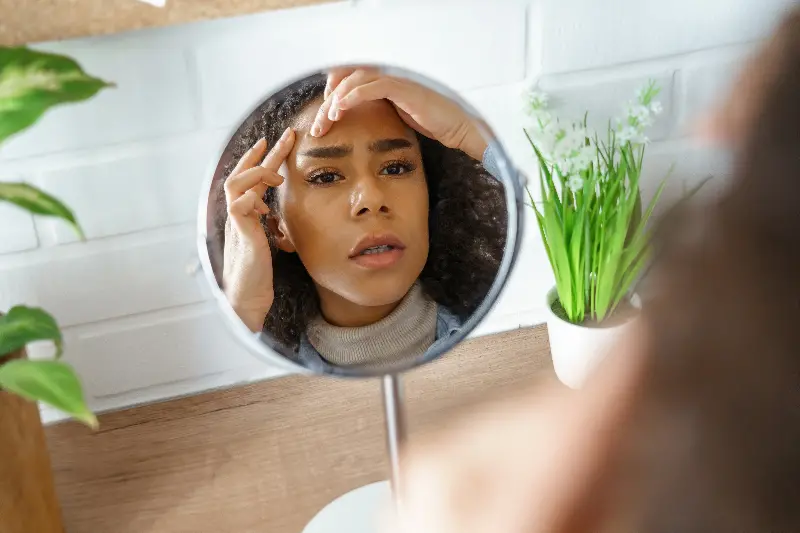
Nothing is more frustrating than waking up, looking in the mirror, and discovering a fresh pimple, or worse, dealing with a stubborn breakout that just won’t budge. Whether you’re a teenager or well into your adult years, acne doesn’t discriminate. But today, it’s possible to go far beyond the cover-up stage and tackle acne where it starts. From topical treatments to lifestyle changes, here’s your guide to the most effective solutions for stubborn acne from A to Z.
Understanding Acne: More Than Just a Skin Deep Issue
Acne isn’t just a rite of passage during adolescence–it affects millions of adults worldwide. At its core, acne is caused by clogged pores due to excess sebum (oil), dead skin cells, and bacteria. Hormonal fluctuations, stress, diet, and even environmental pollutants can all contribute to flare-ups. That’s why an effective approach to acne is rarely one-size-fits-all. Exploring treatment options that address the root causes is key to finally saying goodbye to stubborn spots.
Cleansing: Building the Foundation for Clear Skin
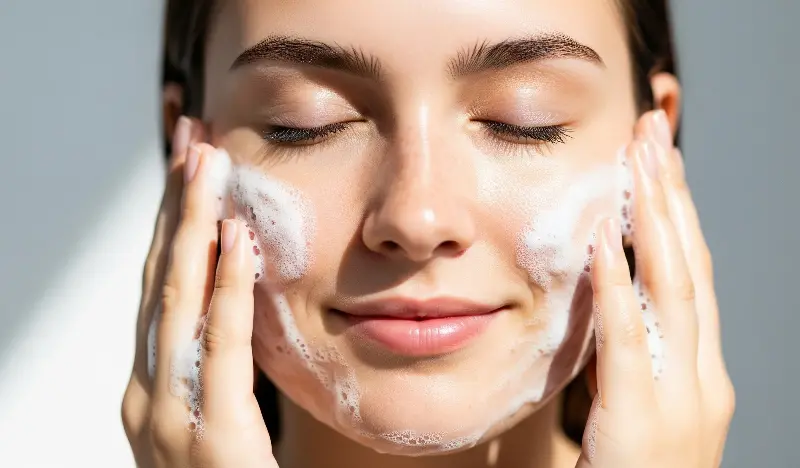
Every effective acne treatment routine starts with cleansing. The trick is striking the right balance—harsh cleansers can strip your skin of natural oils and worsen inflammation, while overly gentle ones may not cleanse deeply enough. Look for cleansers with salicylic acid or benzoyl peroxide. These ingredients penetrate pores, unclogging them and reducing bacteria. Gel-based cleansers can be particularly helpful for oilier skin types, while cream-based versions may suit those with combination or dry skin dealing with breakouts.
For a bonus boost, consider double cleansing in the evening if you wear makeup or sunscreen. This ensures all residue is removed, reducing the chances of clogged pores while preparing your skin for acne treatments.
Oral Medications: Tackling Acne From Within
For persistent cases when topicals aren’t enough, oral medications can be a gamechanger. Birth control pills are often prescribed for women experiencing hormonal acne, as they regulate hormones that trigger excess oil. Spironolactone, originally a blood pressure medication, is now increasingly used as an off-label treatment to target hormonal imbalances in women.
Antibiotics, taken for a short period, can reduce the bacteria that worsen acne. However, due to rising antibiotic resistance, these are usually prescribed only when necessary and in combination with other topical treatments.
In severe cases, isotretinoin (commonly known by the brand name Accutane) works by shrinking oil glands and is considered the gold standard for cystic acne. While incredibly effective, it requires close medical supervision due to potential side effects.
Topical Treatments: Science-Backed Solutions for Rapid Results
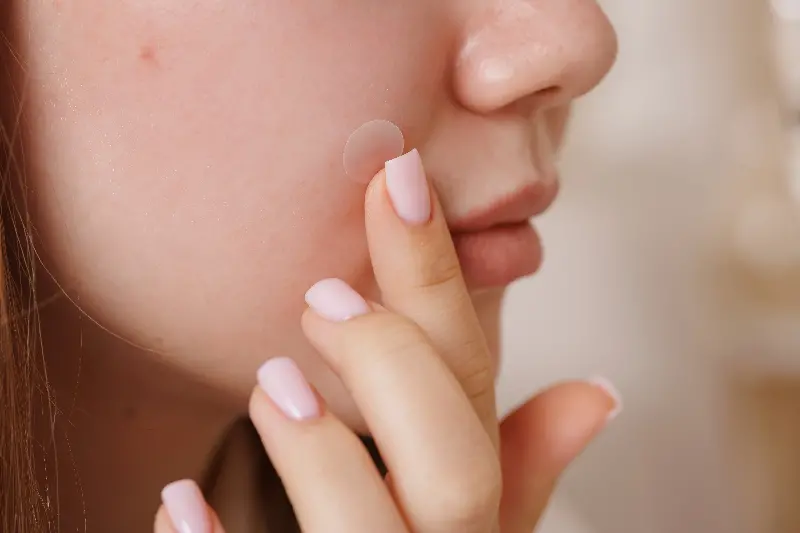
When it comes to targeted treatments, acne-fighting ingredients are more potent than ever. For quick spot treatment, benzoyl peroxide is a dermatologist favorite, known for killing bacteria and drying out active pimples. Salicylic acid is another superstar, as it exfoliates inside pores and calms inflammation. For stubborn or hormonal acne, topical retinoids such as adapalene work wonders by speeding up cell turnover.
One lesser-known but highly effective ingredient is azelaic acid. Naturally found in grains like barley, this multitasker helps fade post-acne marks and reduces redness. And don’t overlook sulfur-based treatments—they have been around for centuries and are gentle enough for sensitive skin yet effective at zapping zits.
Innovative Therapies: High-Tech Help for Clearer Skin
Technology has revolutionized acne treatment with a range of cutting-edge therapies. Blue light therapy uses specific wavelengths to kill acne-causing bacteria and calm inflammation with minimal side effects. Chemical peels with salicylic or glycolic acid can exfoliate and resurface skin, speeding up the healing process and preventing future breakouts.
Microdermabrasion and laser therapy target deeper layers of skin to reduce scarring and hyperpigmentation for those battling the aftermath of severe acne. These therapies are best administered by professionals for maximum safety and effect.
Lifestyle Changes: The Support System Your Skin Needs
No treatment routine is complete without considering how daily habits impact your skin. A growing body of research suggests a strong link between diet and acne, particularly foods with a high glycemic index and dairy products. Incorporate more fruits, vegetables, whole grains, and lean proteins for better skin health.
Stress is another significant trigger, often leading to hormone fluctuations that cause or worsen acne. Mindful practices like yoga, meditation, or even regular exercise can help keep stress—and breakouts—in check.
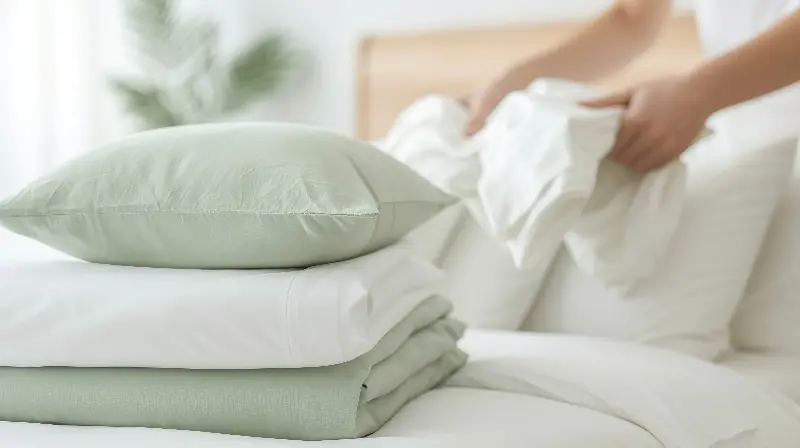
Finally, always remember the often-overlooked basics: wash pillowcases and phone screens regularly, resist the urge to pick at blemishes, and protect your skin from excessive sun exposure, which can worsen inflammation and slow down healing.
Finding What Works for You: Patience and Personalization
The path to clear skin is rarely linear, and what works for one person may not for another. If over-the-counter treatments aren’t making a visible difference, visiting a dermatologist can provide the expertise needed for a customized treatment plan. Newer prescription options and combination approaches mean stubborn acne is no longer a life sentence.
With the right routine, a bit of patience, and a modern toolkit of treatments, it’s entirely possible to wave goodbye to stubborn acne for good. Remember, healthy skin isn’t about perfection but about giving your skin the support it needs to look and feel its best.