


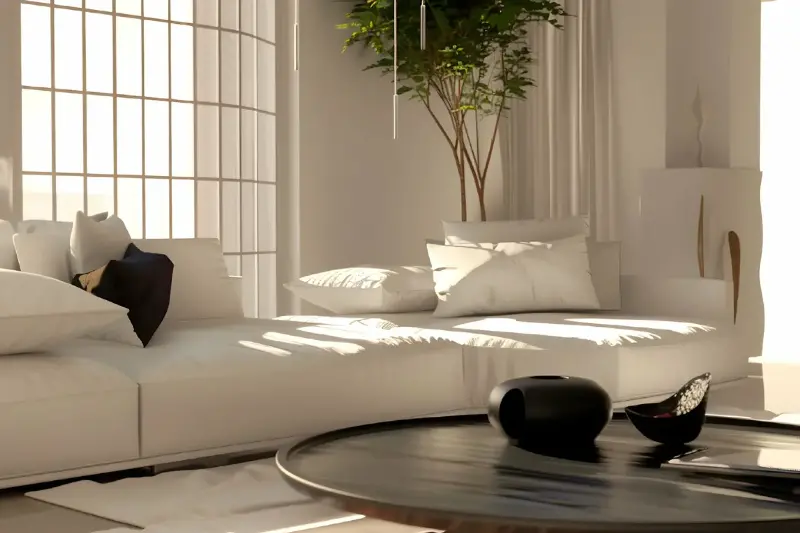
minimalist living is gaining remarkable momentum in australia, with more individuals and families embracing fewer possessions and simpler lifestyles. spurred by shifting priorities, economic realities, and a deepening appreciation for sustainability, this movement has found solid ground across both bustling cities and tranquil rural communities. but what exactly is fueling this wave of minimalism down under, and what interesting facts set australia apart in its pursuit of a pared-down way of life?
one key driver behind the rise of minimalist living in australia is the sky-high cost of real estate, especially in major urban centers like sydney and melbourne. over the past decade, house prices in these cities have ranked among the world’s most expensive, making the traditional australian dream of a spacious suburban home increasingly out of reach. as a result, many australians are choosing to downsize, not just out of necessity, but as a conscious lifestyle choice. tiny homes and small-scale apartments—once considered niche or temporary—have become mainstream options for young professionals, retirees, and even families. opting for less space often means a lower mortgage, reduced utility bills, and more financial freedom to pursue travel, hobbies, or simply enjoy life’s moments.
another intriguing aspect is the role of australian culture in shaping attitudes toward minimalism. the country’s laid-back ethos and love of the outdoors are a natural match for a minimalist mindset. australians are known for favoring experiences over material accumulation—be it surfing, bushwalking, or barbecues on the beach—which dovetails perfectly with the minimalist focus on living purposefully and intentionally. it's not uncommon to find aussies spending weekends decluttering their homes or participating in community swap meets and garage sales, all in pursuit of a more streamlined existence.
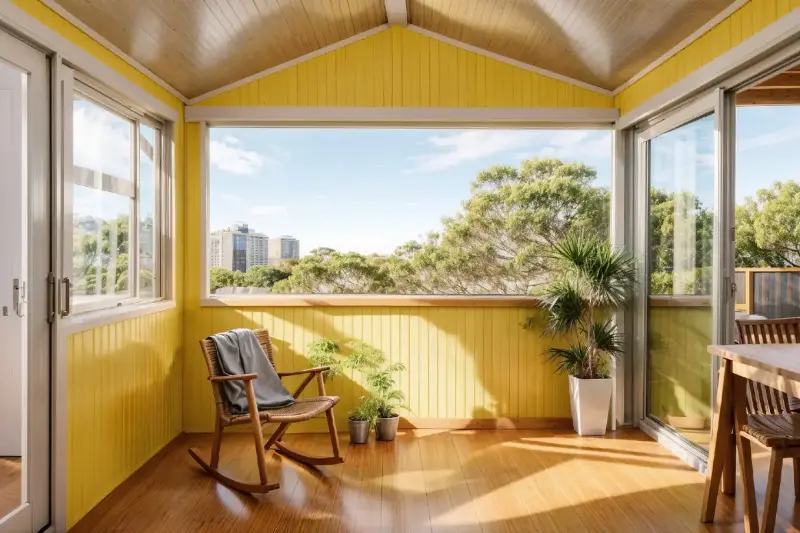
climate awareness and a growing emphasis on sustainability have also played significant roles in advancing the minimalist movement. with its unique biodiversity and frequent reminders of nature’s raw power—from bushfires to droughts—australia has become increasingly attuned to the environmental toll of overconsumption. a 2023 survey by the australian bureau of statistics reported that nearly 60% of australians expressed concern about climate change as one of their top personal priorities, a number that’s seen a steady rise over the past five years. for many, adopting a minimalist lifestyle isn’t just about having less clutter; it’s a way to actively reduce waste, lower carbon footprints, and set an example for future generations.
social media influencers and popular tv shows have put a modern spin on minimalism and made it aspirational. platforms like instagram and youtube are full of australian minimalists offering tips, home tours, and real-life accounts of living with less. television programs focusing on extreme decluttering or tiny house living have inspired everyday australians to rethink what they truly need. for some, this has sparked a complete overhaul of personal possessions, while others have embraced “slow living,” prioritizing mindful consumption and intentional design.
there’s significant evidence that the minimalist trend is influencing how australians shop and furnish their homes. instead of buying mass-produced items or impulse shopping, many now prioritize quality, durability, and multi-functionality. australian-based brands offering sustainable furniture, eco-friendly homewares, and ethically made clothing are flourishing as consumers become more mindful not only of what they buy, but why they buy it. decluttering experts and professional organizers say there’s been a noticeable spike in clients looking to overhaul their homes and build long-term habits, not just spring cleaning.
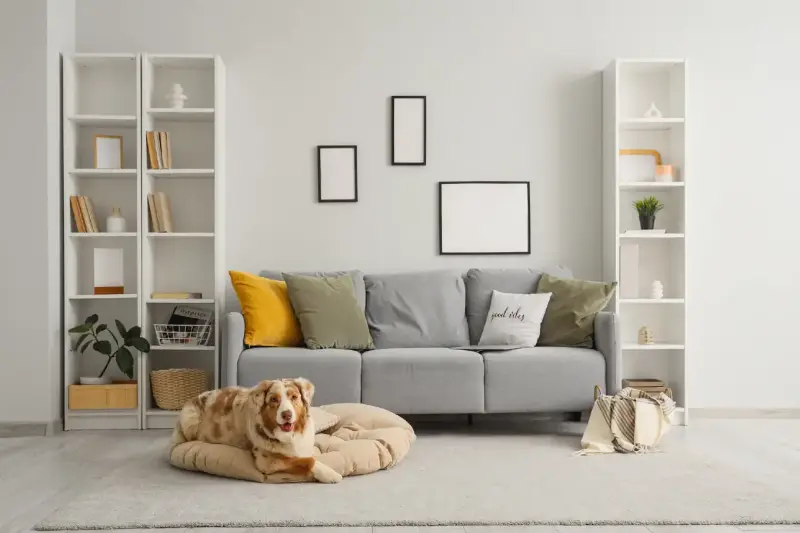
technology has played its part, too. thanks to digitalization, it’s easier than ever for australians to minimize physical belongings. streaming services have replaced sprawling dvd collections, ebooks and audiobooks take the place of shelves full of paperbacks, and cloud-based photo storage eliminates the need for bulky albums. for those embracing remote or hybrid work, flexible digital tools mean home office spaces can be portable, compact, and adapted to new routines.
generational values are also shifting. millennials and gen z australians tend to value freedom, flexibility, and experiences over traditional measures of success. for them, minimalist living aligns naturally with the desire to travel, change jobs, or relocate with ease. research from the australian institute of health and welfare shows that younger australians are less interested in accumulating material goods than their parents, and more likely to prioritize personal well-being, social connections, and a healthy work-life balance.
urban development in australia is also reflecting minimalist trends. many new apartment complexes and housing developments now emphasize open, multipurpose spaces, communal gardens, and energy efficiency. architects and interior designers are increasingly called upon to create homes that maximize natural light, utilize smart storage, and incorporate materials with a low environmental impact. the minimalist design aesthetic—clean lines, neutral palettes, uncluttered layouts—has moved from coffee-table magazines into everyday australian homes.
even australian families with young children are getting creative about living minimally. some parents report better family dynamics and less stress after reducing toy clutter and relying on shared family experiences for entertainment. community-based activities, nature playgroups, and minimalist parenting blogs offer strategies for limiting excess and fostering gratitude, regardless of age.
perhaps most strikingly, minimalism in australia is not about austerity but choice. it’s about making space for what matters, whether that’s family, adventure, creativity, or simply some much-needed calm. it resonates with both men and women who want to strip away the excess and build their lives with intention, rather than accumulation.
as minimalist living moves from a trend to a permanent shift in how australians approach lifestyle decisions, it’s clear that the movement is about far more than having fewer things. it’s a reflection of changing values, environmental accountability, and the age-old australian desire to find fulfillment beyond possessions. for many, living simply promises not just a tidier home, but a richer and more meaningful life.